
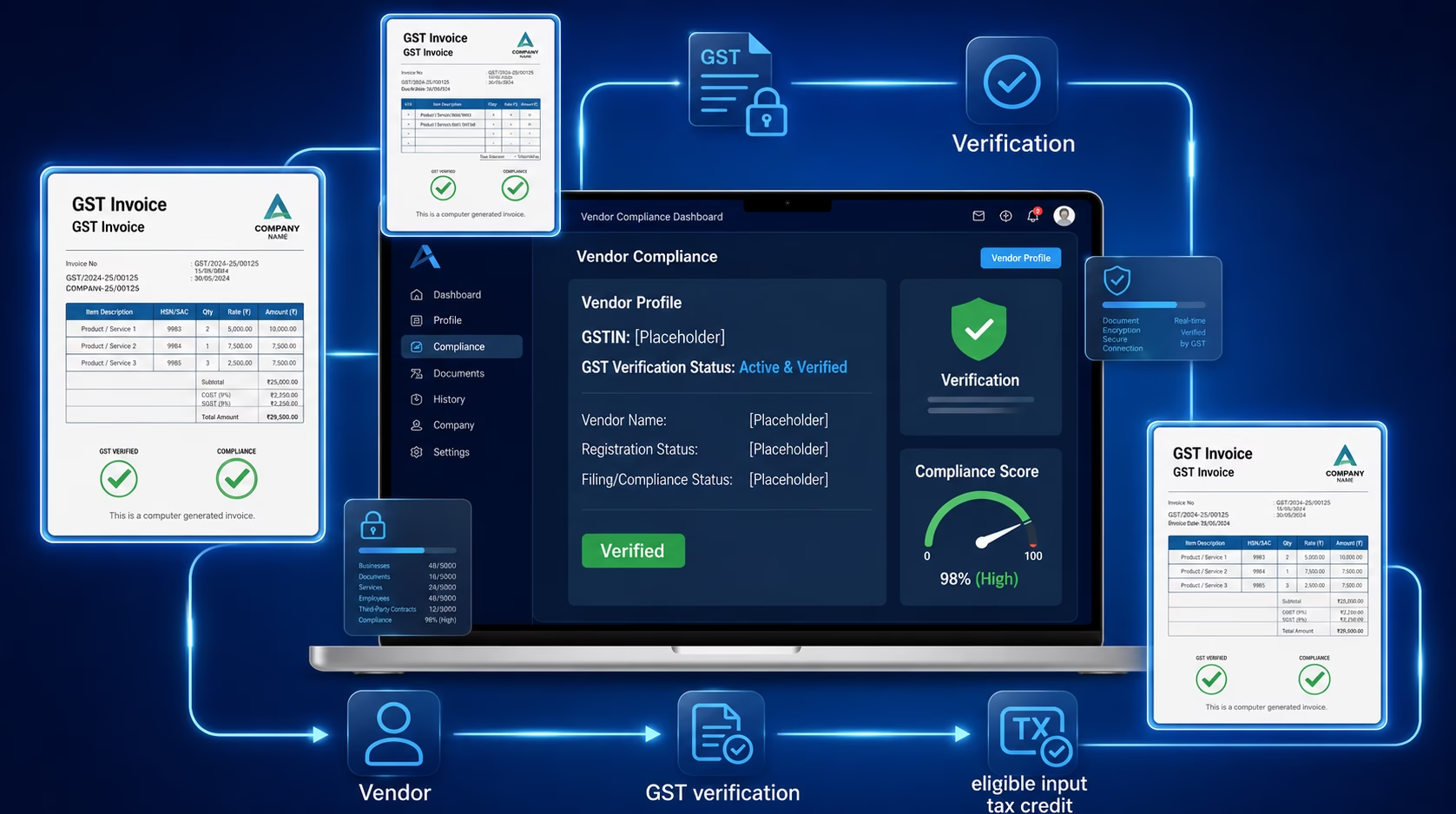
Is Your Vendor GST-Compliant? How Vendor Compliance Can Affect Your Input Tax Credit
For a long time, procurement was mainly about purchasing goods and negotiating with vendors. But today, something much bigger is happening inside growing organizations.
Procurement is becoming a data-driven function.
Every purchase request, vendor quotation, approval, and invoice generates valuable information. When this information is properly organized, it can help companies make better financial decisions, negotiate stronger vendor contracts, and plan future spending more accurately.
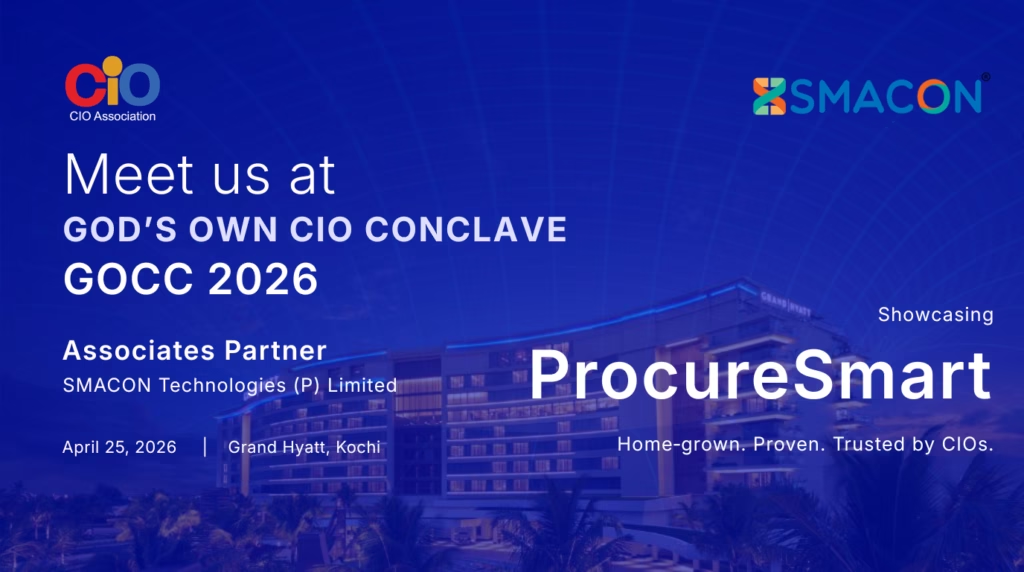
Smacon at GOCC 2026: Showcasing ProcureSmart
For a long time, procurement was mainly about purchasing goods and negotiating with vendors. But today, something much bigger is happening inside growing organizations.
Procurement is becoming a data-driven function.
Every purchase request, vendor quotation, approval, and invoice generates valuable information. When this information is properly organized, it can help companies make better financial decisions, negotiate stronger vendor contracts, and plan future spending more accurately.

Why Procurement Data Is Becoming the Most Valuable Asset for Enterprises
For a long time, procurement was mainly about purchasing goods and negotiating with vendors. But today, something much bigger is happening inside growing organizations.
Procurement is becoming a data-driven function.
Every purchase request, vendor quotation, approval, and invoice generates valuable information. When this information is properly organized, it can help companies make better financial decisions, negotiate stronger vendor contracts, and plan future spending more accurately.
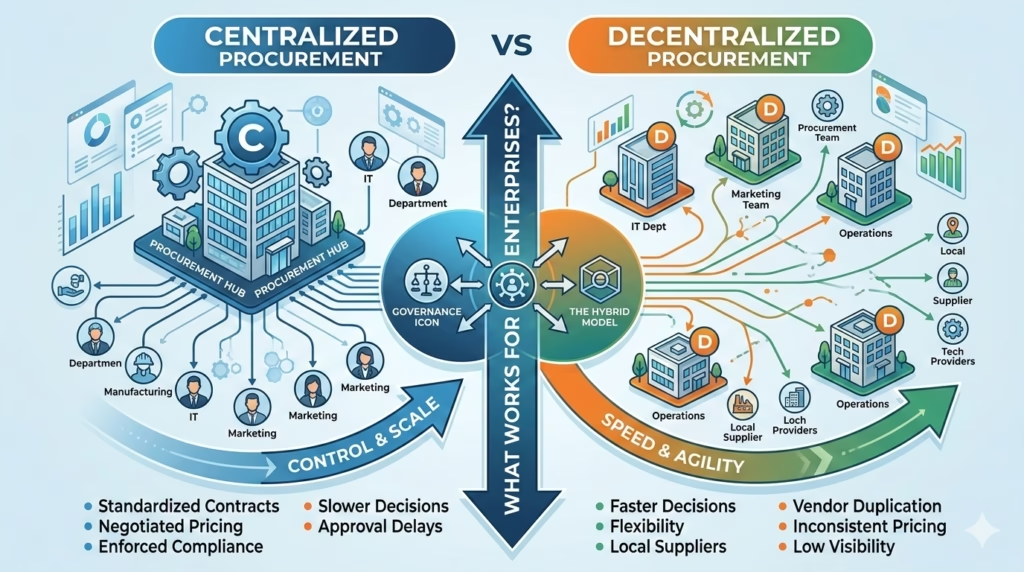
Centralized vs Decentralized Procurement: What Works for Enterprises
As organizations grow, procurement becomes more complex. New departments emerge, vendor networks expand, and purchasing decisions start happening across multiple teams and locations. At this stage, enterprises often face an important strategic question:
Should procurement remain centralized under a single team, or should departments manage their own purchasing decisions?
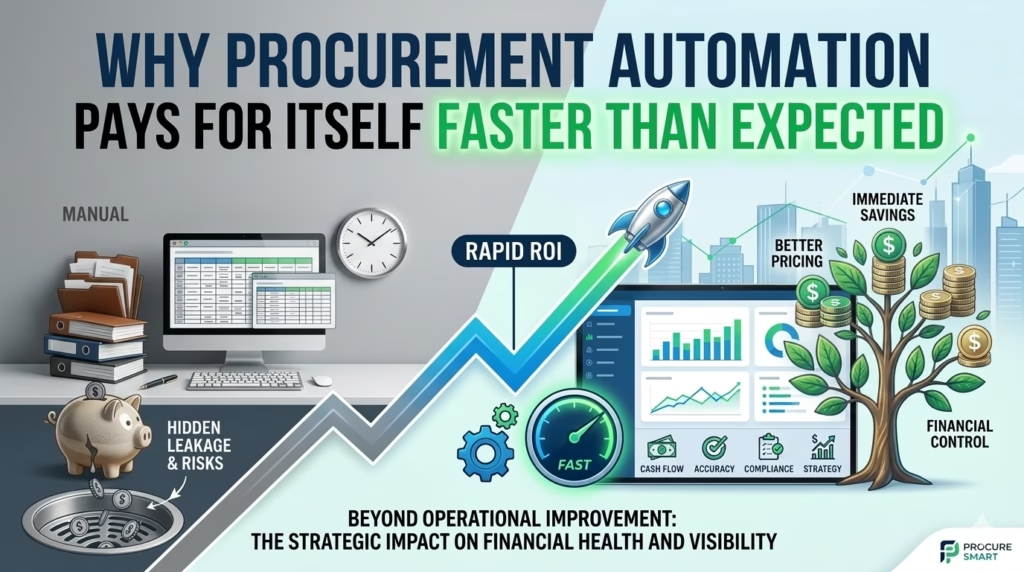
Why Procurement Automation Pays for Itself Faster Than Expected
For many growing enterprises, procurement automation initially appears to be an operational improvement — a way to streamline purchase requests, approvals, and vendor communication.
But organizations that adopt digital procurement platforms often discover something surprising: the investment pays for itself far sooner than expected.
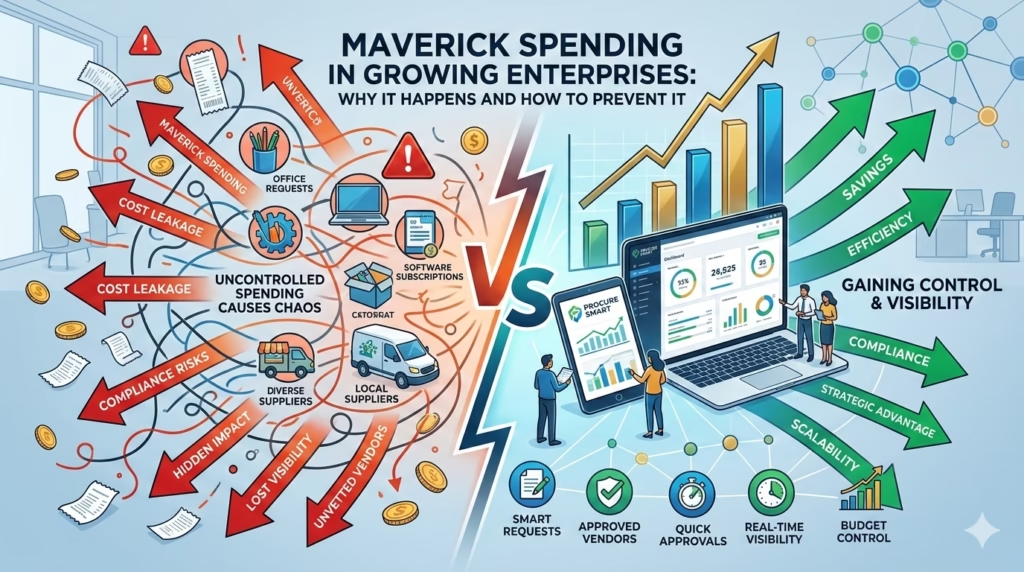
Maverick Spending in Growing Enterprises: Why It Happens and How to Prevent It
In a growing enterprise, spending rarely spirals out of control overnight; it starts with a single “urgent” request outside the standard process. This is maverick spending—a quiet but direct threat to financial control and compliance. Discover why strict policies often fail and how to build a procurement environment where the right process is also the easiest one to follow.
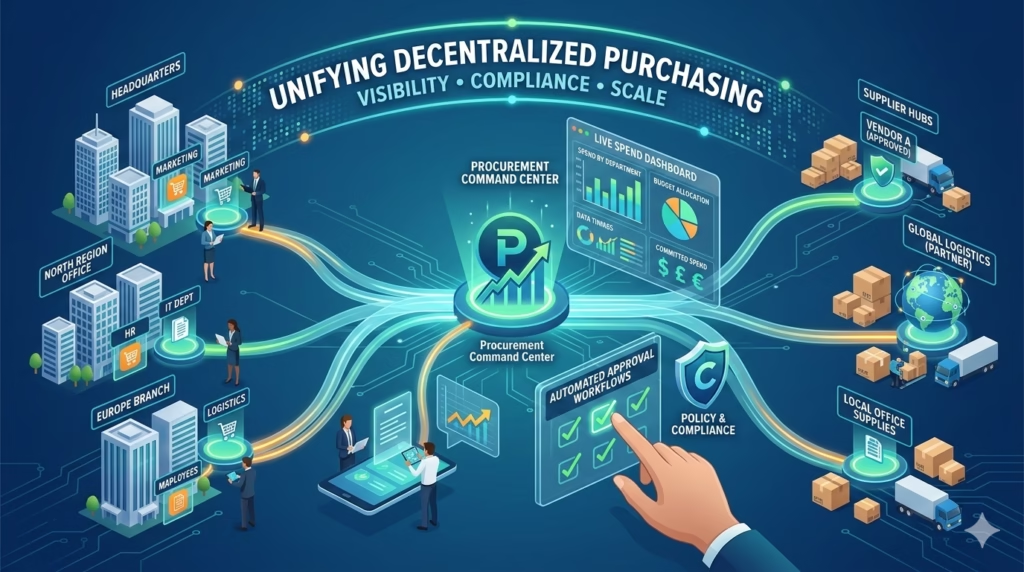
How Growing Enterprises Gain Control Over Decentralized Purchasing
Growth brings complexity. As enterprises expand across locations, departments, and business units, purchasing decisions begin to happen everywhere – not just within a single procurement team. What was once a centralized, easy-to-track process becomes distributed across multiple stakeholders, each with their own vendors, approval patterns, and urgency.
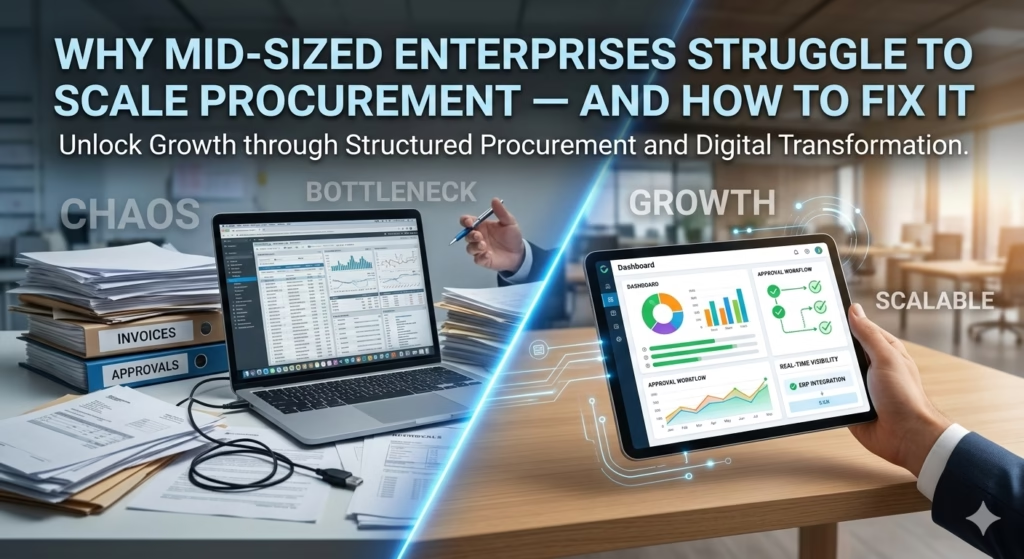
Why Mid-Sized Enterprises Struggle to Scale Procurement — And How to Fix It
Mid-sized enterprises are built for growth. New locations are added, vendor networks expand, transaction volumes increase, and leadership begins demanding tighter financial control. But procurement often grows in a very different way.
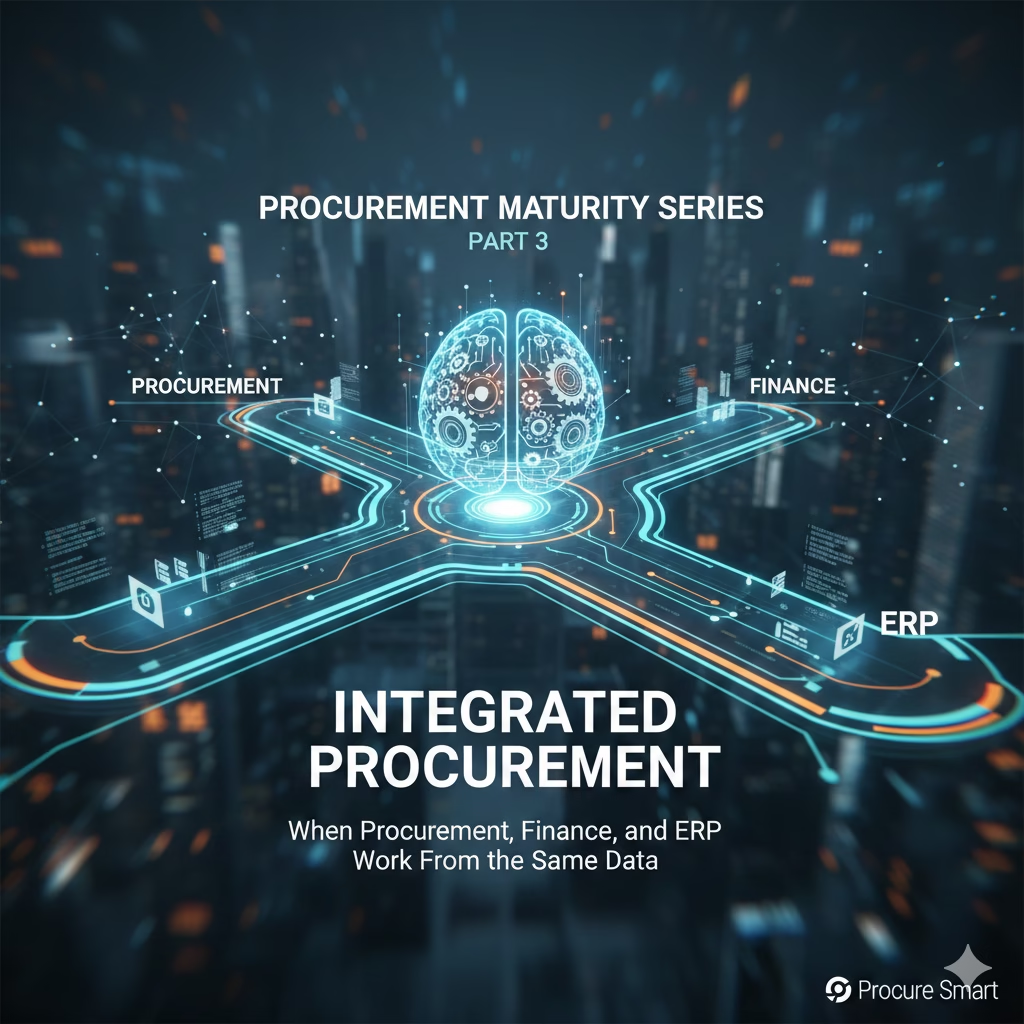
Procurement Maturity Series – Part 3
For many growing enterprises, reaching the controlled stage brings stability. Approvals follow defined paths, vendor data is centralized, and transactions are traceable. But a new challenge soon appears. Procurement has structure — yet critical information still lives in multiple systems.
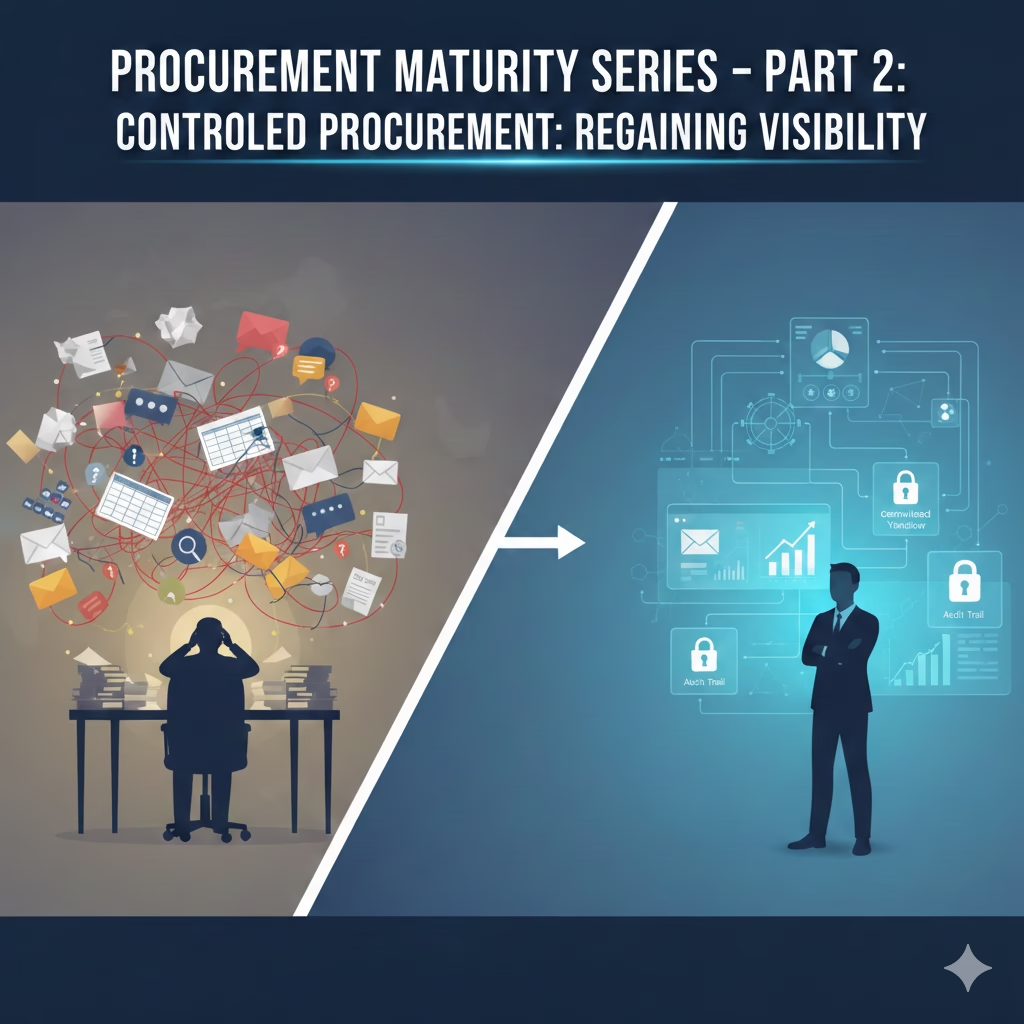
Procurement Maturity Series – Part 2
As organizations grow, procurement can no longer depend on follow-ups, individual ownership, and informal coordination. What once worked through emails and spreadsheets starts creating delays, inconsistent vendor communication, and limited financial visibility.
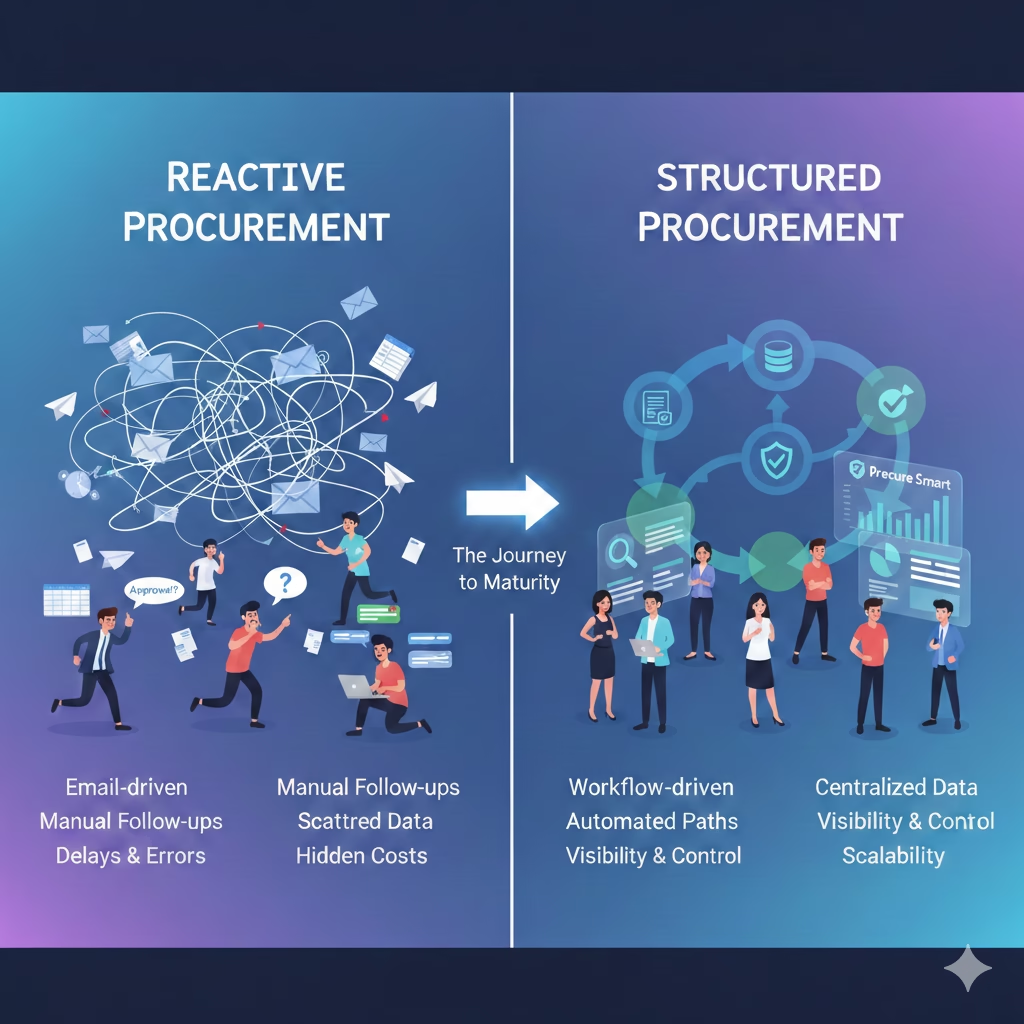
Procurement Maturity Series – Part 1
In the early stages of growth, procurement rarely feels like a problem. Purchase requests are handled over email. Approvals happen through quick messages. Vendor details are saved in spreadsheets. Someone from the team “keeps track” of what is pending. At a smaller scale, this works.
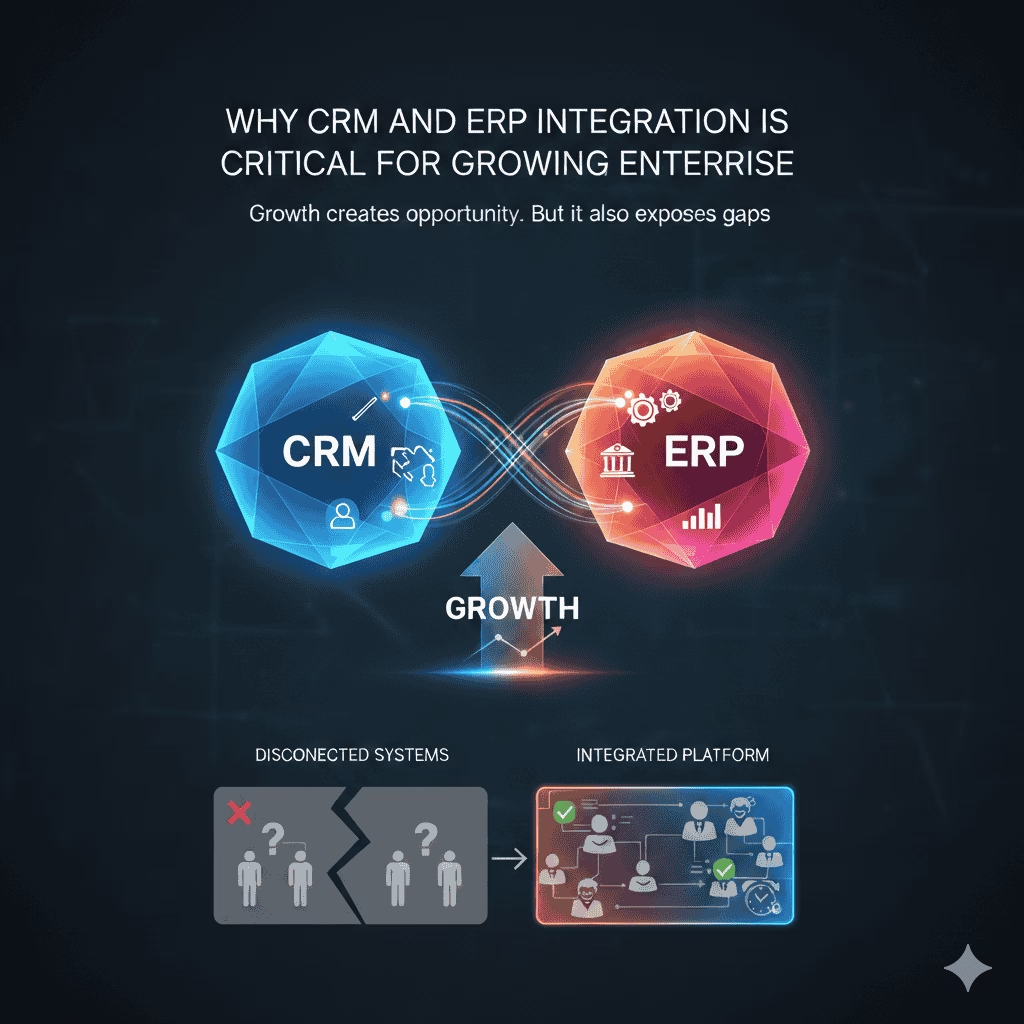
Why CRM and ERP Integration Is Critical for Growing Enterprises
Growth creates opportunity. But it also exposes gaps.
As enterprises scale, sales volumes increase, customer interactions multiply, vendor networks expand, and financial oversight becomes stricter. What once worked in disconnected systems begins to create friction.
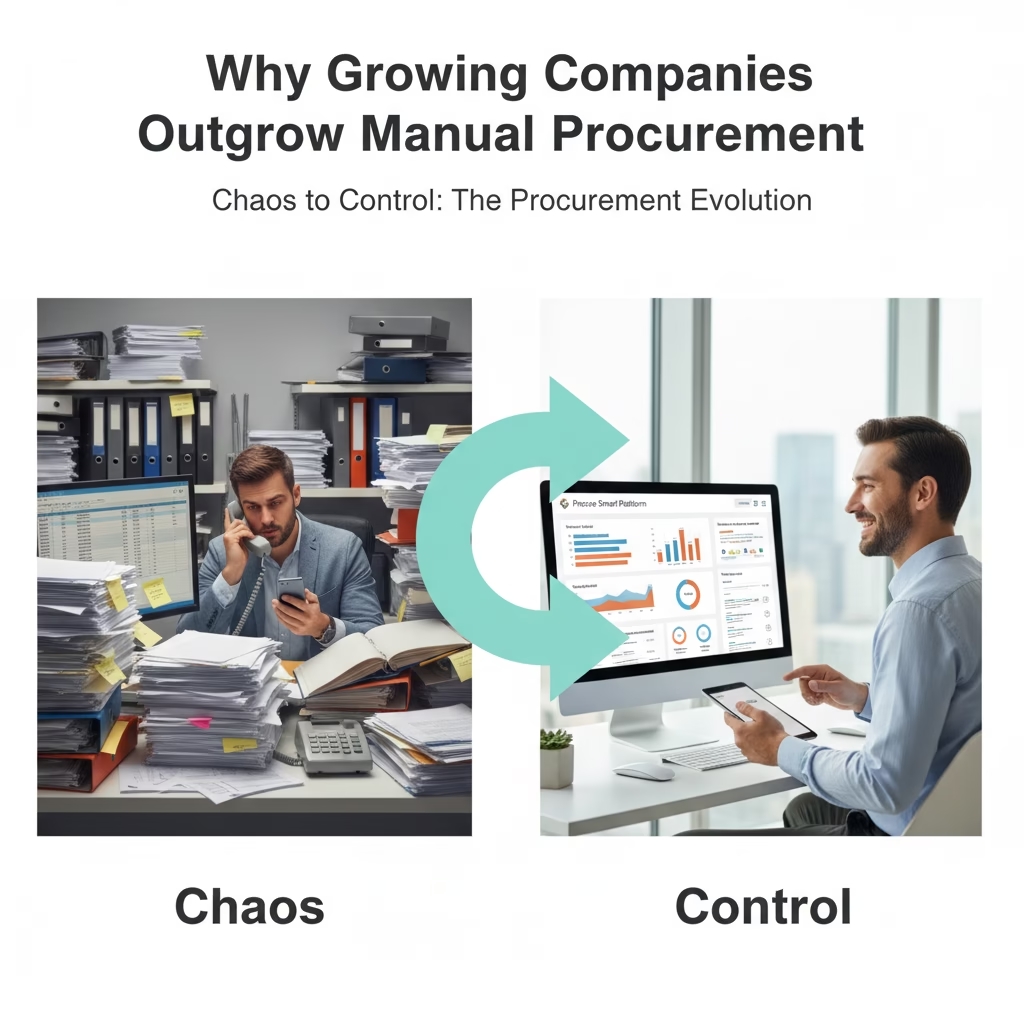
Why Growing Companies Outgrow Manual Procurement Faster Than They Expect
Manual procurement works—until it doesn’t. As companies scale, complexity grows faster than volume, turning simple spreadsheets into risky bottlenecks. Discover why waiting too long to automate is the “turning point” most leaders miss.