For a long time, procurement was mainly about purchasing goods and negotiating with vendors. But today, something much bigger is happening inside growing organizations.
Procurement is becoming a data-driven function.
Every purchase request, vendor quotation, approval, and invoice generates valuable information. When this information is properly organized, it can help companies make better financial decisions, negotiate stronger vendor contracts, and plan future spending more accurately.
The challenge is that many organizations still do not use procurement data effectively.
The Problem: Procurement Data Is Often Hidden
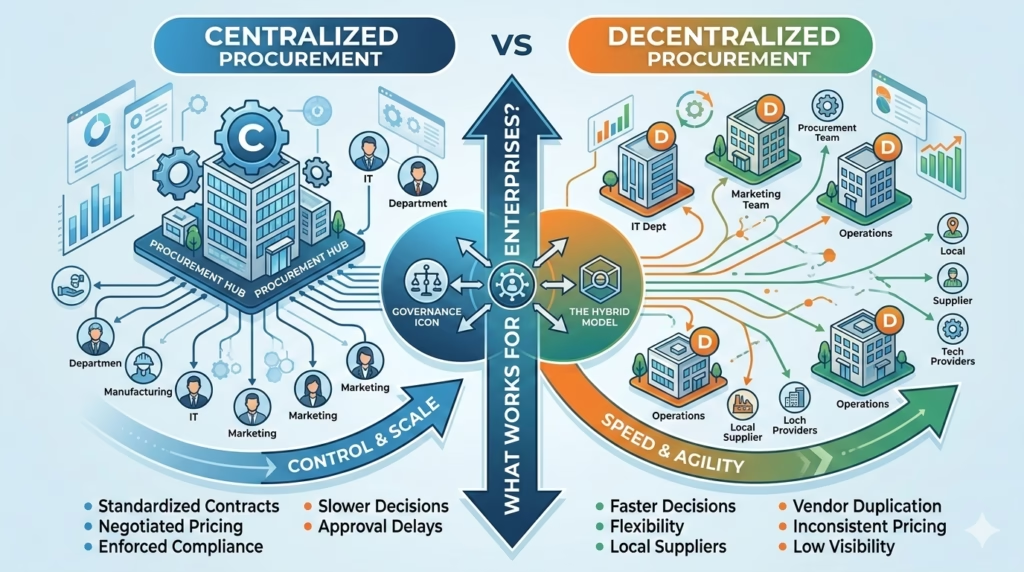
In many companies, procurement information is scattered across emails, spreadsheets, and separate systems.
Vendor details might be stored in one file.
Purchase approvals might exist in email threads.
Quotation comparisons might be handled manually.
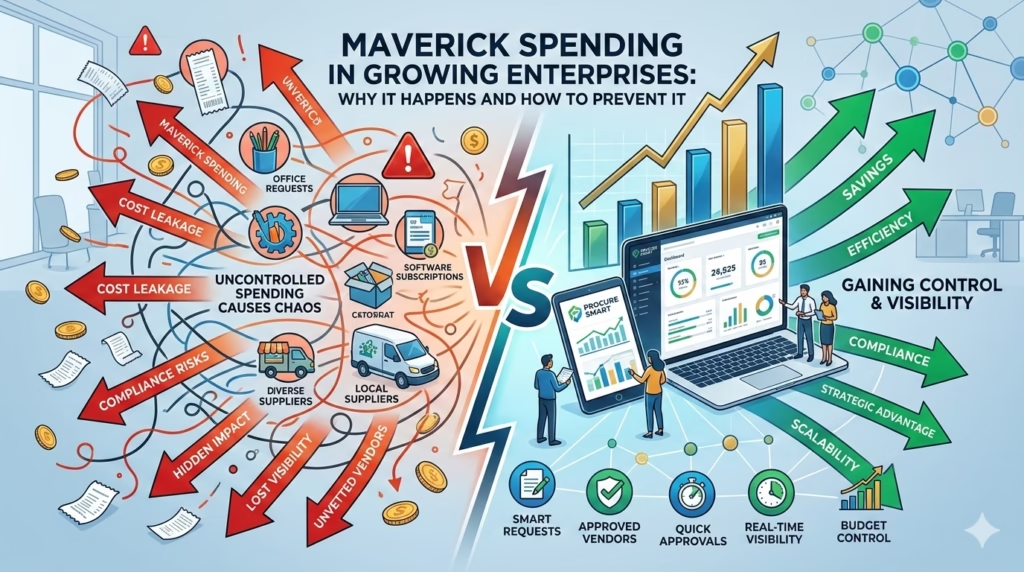
When information is scattered like this, it becomes almost impossible for leadership to understand the full picture of organizational spending.
Important questions remain unanswered:
- Which vendors are we spending the most with?
- Are we getting the best prices?
- Which departments are generating the highest procurement costs? ● Where are opportunities for cost optimization?
Without centralized data, these insights remain hidden.
Why Procurement Data Matters More Than Ever
Enterprises today operate in a much more competitive and unpredictable environment. Supply chains fluctuate, vendor prices change frequently, and financial planning requires accurate forecasting.
Procurement data provides the visibility organizations need to respond to these changes.
When procurement information is centralized and accessible, companies can:
Identify spending patterns across departments
Evaluate vendor performance over time
Improve contract negotiations using historical data
Align purchasing decisions with financial planning
Instead of reacting to spending, businesses can start strategically managing it.
The Shift Toward Data-Driven Procurement
Leading enterprises are now transforming procurement from a transactional activity into a strategic source of business intelligence.
Instead of simply processing purchase orders, procurement teams are analyzing data to support broader business decisions.
For example, procurement data can reveal:
- Opportunities to consolidate vendors
- Departments with unusually high purchasing activity
- Products or services where costs are rising
- Areas where contract compliance is weak
These insights help organizations control costs while improving operational efficiency.
Why Manual Systems Cannot Deliver These Insights
The problem is that manual procurement processes rarely produce reliable data.
When purchase requests are managed through emails or spreadsheets, information becomes inconsistent and difficult to track. Reports take hours or days to prepare, and by the time the data is available, decisions have already been made.
This is why many enterprises are moving toward digital procurement platforms.
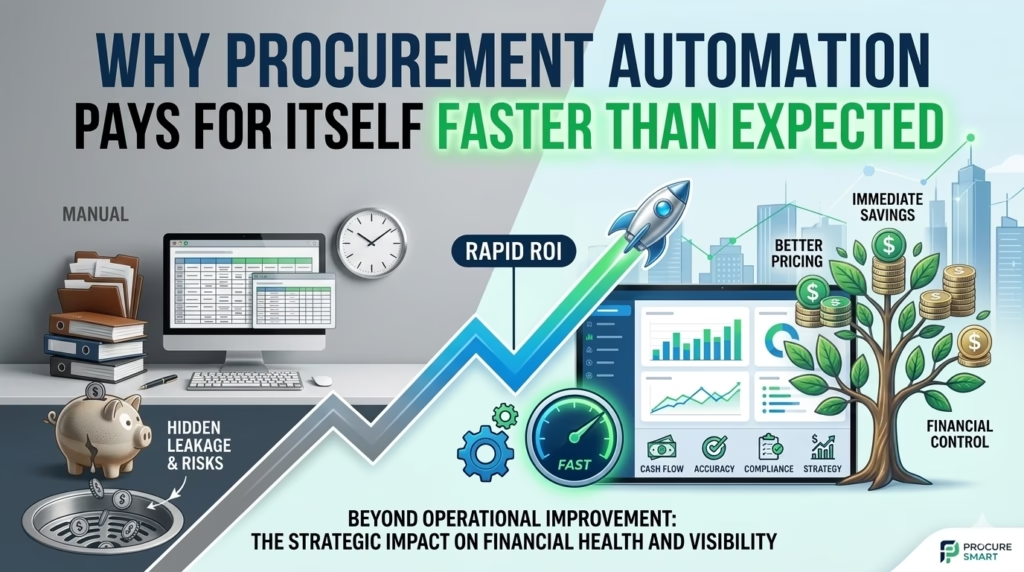
Automation ensures that every transaction — from request to payment — is captured and stored in a structured way. This creates a single source of truth that procurement, finance, and leadership teams can rely on.
Turning Procurement Data Into Business Advantage
When procurement data becomes visible and structured, the impact goes far beyond operational efficiency.
Organizations gain the ability to forecast spending more accurately, improve vendor negotiations, and identify cost-saving opportunities across the entire company.
Procurement stops being just an operational function and becomes a strategic contributor to financial planning and business growth.
Platforms like Procure Smart help enterprises achieve this by centralizing procurement data, automating workflows, and providing real-time visibility into purchasing activity.
With the right system in place, procurement teams no longer just process purchases — they generate insights that drive smarter business decisions.