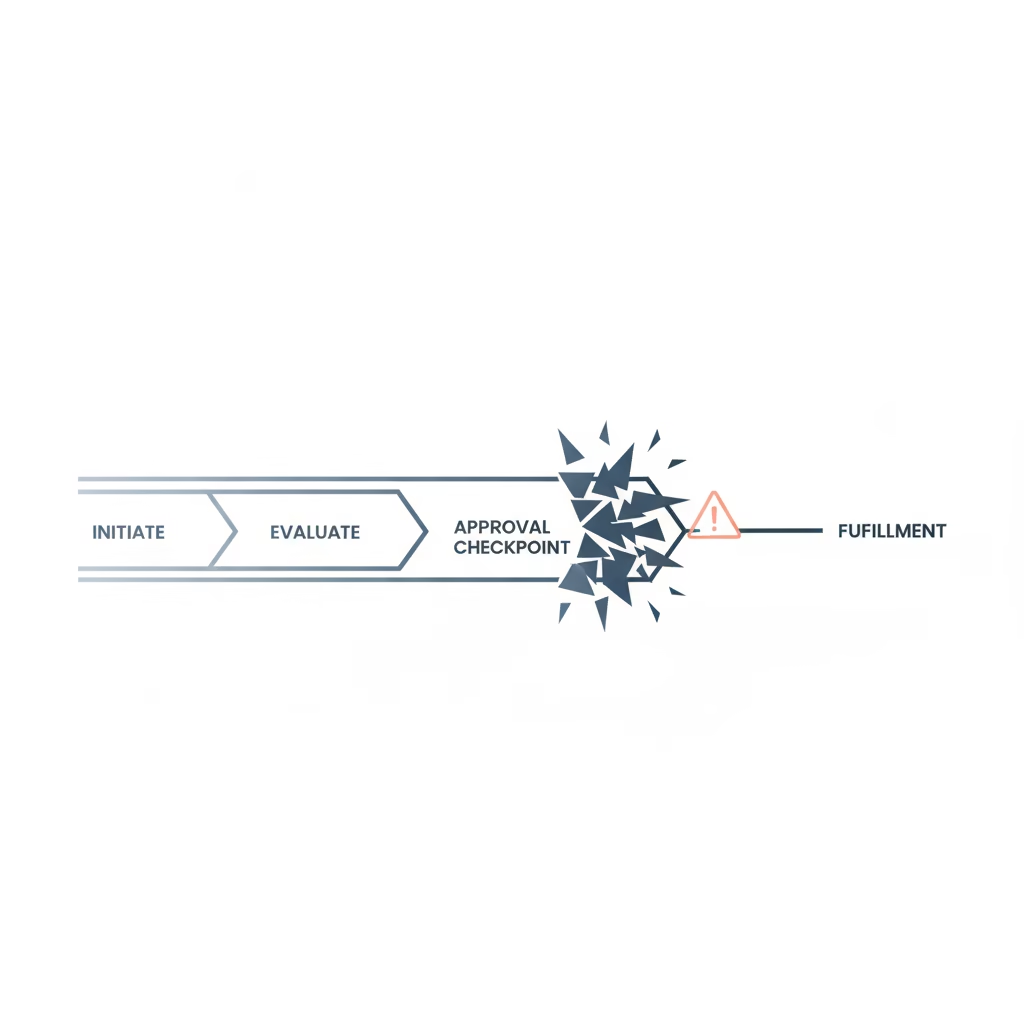
Even as procurement systems become more advanced, many organizations still rely on manual approvals through emails, messages, or verbal confirmation. This single step quietly undermines the entire procurement process. While it may seem convenient, manual approval creates gaps in compliance, slows down decision-making, and weakens accountability—especially as businesses move closer to 2026.
Manual Approvals Break Compliance and Traceability
One of the biggest issues with manual approvals is the lack of a reliable audit trail. Approvals scattered across email threads or informal conversations are difficult to trace later. When audits happen or disputes arise, procurement teams struggle to answer basic questions—who approved the purchase, when it was approved, and whether company policies were followed.
This lack of traceability increases compliance risk and exposes organizations to financial and regulatory issues. What makes it more concerning is that these risks often go unnoticed until it’s too late.
Delays and Inconsistencies Disrupt Procurement Operations
Manual approvals also slow down procurement workflows. Requests sit unread in inboxes, follow-ups consume valuable time, and urgent purchases sometimes bypass proper approval channels. Over time, this creates inconsistent purchasing behavior and disrupts vendor relationships.
As procurement volumes increase, these delays multiply. What starts as a small approval delay can impact inventory planning, production schedules, and even customer delivery timelines.
Why Smart Approval Workflows Are Essential in 2026
In 2026, procurement cannot rely on memory, availability, or informal communication. Smart procurement platforms like Procure Smart replace manual approvals with structured, automated workflows. Every approval is routed to the right stakeholder, recorded digitally, and linked to procurement policies.
This ensures faster decisions, consistent policy enforcement, and complete accountability. Most importantly, it allows procurement teams to focus on strategy rather than chasing approvals.
Final Thoughts
Manual approvals are not just inefficient—they are risky. As organizations aim for stronger governance and audit readiness, replacing manual approvals is no longer optional. Smart, automated approval workflows are essential for building a compliant, scalable, and future-ready procurement process.